The breaking news has passed. The streaming updates have been taken down. We have seen the tsunami footage enough.
But there are hundreds of thousands of people who are homeless, living in temporary shelters. Families are broken because not everyone lived. Bodies are still being found, thousands remain missing. Radiation concerns remain.
For people in Japan it is not yesterday’s news story. It remains a very current mark on their days. It will continue to be, because it takes a little while to rebuild a life, a home and adjust to changes in family.
That’s not really a story that gets covered. The urgency and graphic images of destruction- interesting and read. The hopeful story of a person found days later, or of pets reunited- nice and also worth a read.
The day in day out matter of cleaning up and rebuilding and cleaning up and rebuilding and how long it takes till enough is done to deeply rest- perhaps not so compelling. We want the story to cut to montages and music. We prefer the nodes the to actually travel the steps in each arc.
Commonness can be compelling. So a small group of people come and help each other, and keep helping each other. And there is a silent compassion because of the family that was lost. Who stands today as an elder with no children? Or a child with no parents? Or a husband without his wife? And they keep at it, because it is necessary for life to go on.
The blossoms remind us of that. Life goes forward, it does not hang in seasons of the past.
I hope they remind us too, that life is precious and fleeting. So we ought to remember to look into each other’s eyes.
Tags: General Features
Chili is cooking on the stove and has been simmering all afternoon. Sapporo is cold in the fridge. There are half a dozen Gibsons here in the den with me. A couple of them are older and the cases have a bit of a musty smell about them. Mike’s telling me about soap bars and we all agree that the headstock is an essential part of the story.
Fifty years and back again- this is what it’s taken to get the right sound and shape back on Les Paul guitars.
We’re documenting all sorts of stuff about them and trying to decide how to pitch the story. It’s more then angles and glamor shots- it’s the what and why of it. How they got these guitars, who else has played them….
It’s neat because we each look at them different, Mike and Ike are our subject matter experts, Chris is photographer and I’m here to assemble. More in a bit.
Tags: General Features
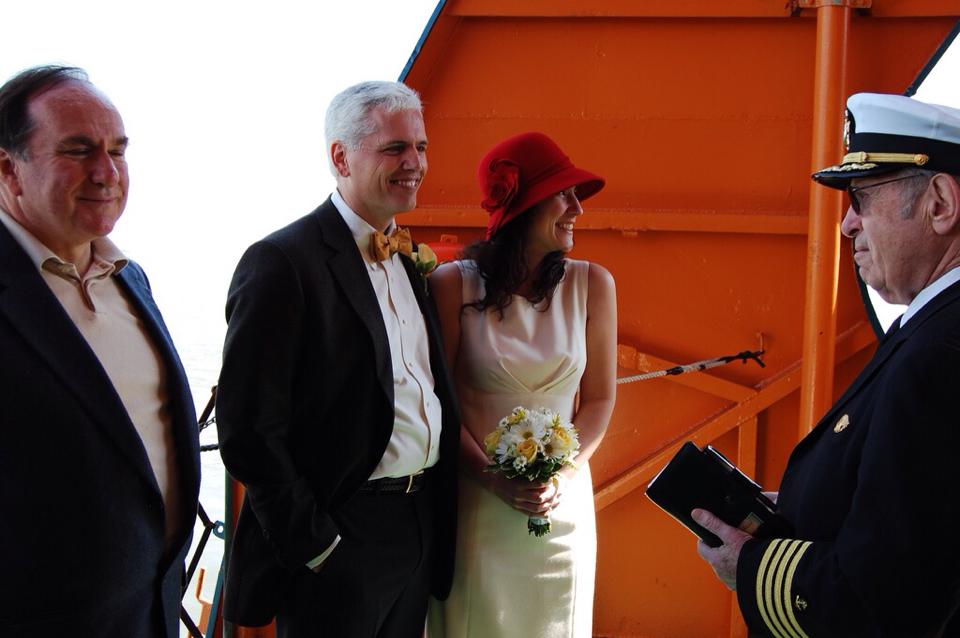
We’ll be posting a lot of new content soon. It’s an evolving idea that both Chris and I feel has merit. As friends and partners it will be a good exercise to work together again. Part of how we ended up getting married relates directly to a respect and commonality for problem solving techniques. We both have different skills ets- but what both bring to the table is an appreciation of the big picture.
We spent a few hours taking photos of Mike’s Les Paul’s the other night. Chris has set up a studio downstairs and he and Mike were working with lights and angles to tell a story. Mike is a professional musician and an expert on many things musical. He also has his whole life of experience that gives a unique insight to who has played what and how, but he is absolutely dogged and determined in being accurate.
What we want to do is tell a story- with video, images and narrative. Sometimes it will be interviews back and forth from our Mermaid Cafe downstairs, sometimes hyper detail on small changes. But for people who care about music and how sounds are made, we hope to provide a unique lens into learning and building a community of people who care about their music and instruments and who now have a venue to connect. Part of the problem we want to solve is creating enough interesting and ongoing content to earn the respect of the audience.
But I think about the many nights I have spent after last set listening and talking with musicians, and there is a very special energy that comes in those talks. Often they are are an odd hour, and completely by accident. In the middle of them though- there is a care and appreciation for doing it right. There is humor and frustration too.
So we will keep at it and see what happens. Our goal is to help to bring professionals together by assembling information for them in a different way- but a way that is absolutely relevant. But also completely accessible with the voices of real folks instead of general content just patched together in a new pattern.
We’ll see, but we will keep sharing.
Tags: General Features
I admire Amy Chua.
She’s started a conversation because she’s found a way to tell a story that hits on many nerves. That doesn’t mean I agree or disagree with her choices, but when you can bring energy to a controversy, I respect the discussion that’s started.
Reality is relative and emotionally charged rhetoric cuts deep.
Every parent knows this, and every parent has a unique lens on life, culture and what a successful family means. I’ve know families who are adamant about homeschooling, sports, grades, volunteering, lifestyle and religion. I’m not going to say on is more or less right then the other.
We could all make impolite observations about each other, and point to one offs which illustrate the failure of a parent and a child. I’m not sure what that accomplishes really, and as a mom I get tired of posturing discussions where one side tries to prove worth by showing another side’s flaws.
It gets snippy really fast and everyone becomes reduced to stereotypes. We all try. Kids are complex, they are not fixed- it’s all ongoing variables.
What does it mean to be a successful parent?
That your child attends a fancy school, with perfect grades?
Or that he can hold a conversation and treats others with respect and compassion?
That he led life driven and pushed along paths- or that he felt the messiness otherwise known as actual experience that cannot be carefully sculpted with selected (and avoided) exposure to people and places?
The list could goes on and the permutations are not mutually exclusive.
From a mother’s point of view- I respect there are many ways of doing things, and one way should not be taken out of context or distilled down to a few behaviors and then judged.
My own children were born and raised in a country and culture that was not their own which influenced how they developed- we had the privilege of not quite belonging to one culture, but to really consider how we introduced our own traditions to them. This includes relationships with extended family, and why they matter.
Parents and children are often judged, and the causalities are not often accurate or fair.
Then throw in culture and the pot boils over.
Is coddling a Western tradition? Is narrow mindedness or black and white thinking?
Have we sometimes gone too far with making sure everyone feels self esteem and success? Perhaps at times, yes. But then speak with people who have been bullied, or who work in schools where they have watched the dynamic play back and forth- there is merit in trying to be fair. If you really want to have the discussion, then the starting point is a very complex ecosystem where context is king.
What’s success?
Is it defined by your income- I don’t think that in and of itself equates to happiness. Is it achieving a certain level of job, earning potential, having the “right” spouse and correct number of children with appropriate grades and talents? To some maybe.
The larger question is- do you like your life, do like what you do in it? (And if not, what are you doing about it?)
That questions applies to both parents and children. I think if kids see a model of parents who are content, who are friends and companions that both work hard and enjoy their chosen profession it’s a good example. If children see that parents support them, at times push them- and even at times allow them to fail, there is a genuine reality in that. It’s important for children to see that their mother and father have roles beyond being their mother and father. They have adult relationships, they have work (and yes that means taking care of home). Life is not siloed.
Cultures are not inherently right or wrong- they are just networks of people who have commonness in how they relate and see life.
Kids need to see the wider context of community- there are different families, different schools, different paths. And somehow they also need to know there is a validity and a challenge in each of those paths.
Amy’s choices as a parent are for her and her family to decide if they worked. Her book is an approach, but not the only one and not a definitive commentary on a culture, or living one culture’s values while inhabiting another country and culture’s location.
The question I pose to parents and children- is how do you feel about your life? What do you want to do?
Tags: General Features